dotcrw.
Identity, interfaces, and web systems for brands that need a sharper digital form.
Portfolio.
Our core work in interface design and branding.
Choose an entry point.
Not every project starts the same way. Pick the closest task and jump straight into the direction with format, process, and examples.
Identity
When you need a mark, system, style, and a confident visual base.
Interface
When the product needs to become clearer, more structured, and easier to use.
Website
When you need a page or web system with a sharp path to action.
Creative tech
When you need interaction, a prototype, an AI tool, or a strong hero moment.
Moduform
When digital form needs to become a prototype, object, or module.
Work.
A few quick signals before the deeper dive: marks, interfaces, and physical form as parts of one design practice.
Logo system
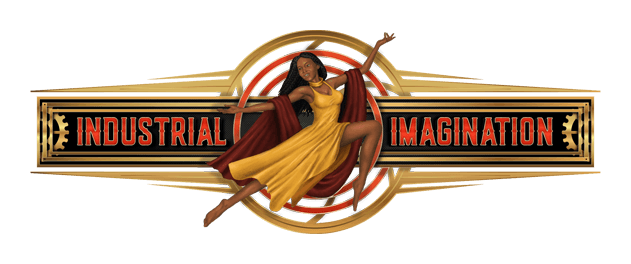
The mark archive shows range: from simple monograms to emblems and combination marks that can grow into complete identity systems.
Digital form
Interface work focuses on structure, rhythm, components, and user journeys so the product looks sharp and stays understandable in use.
Moduform
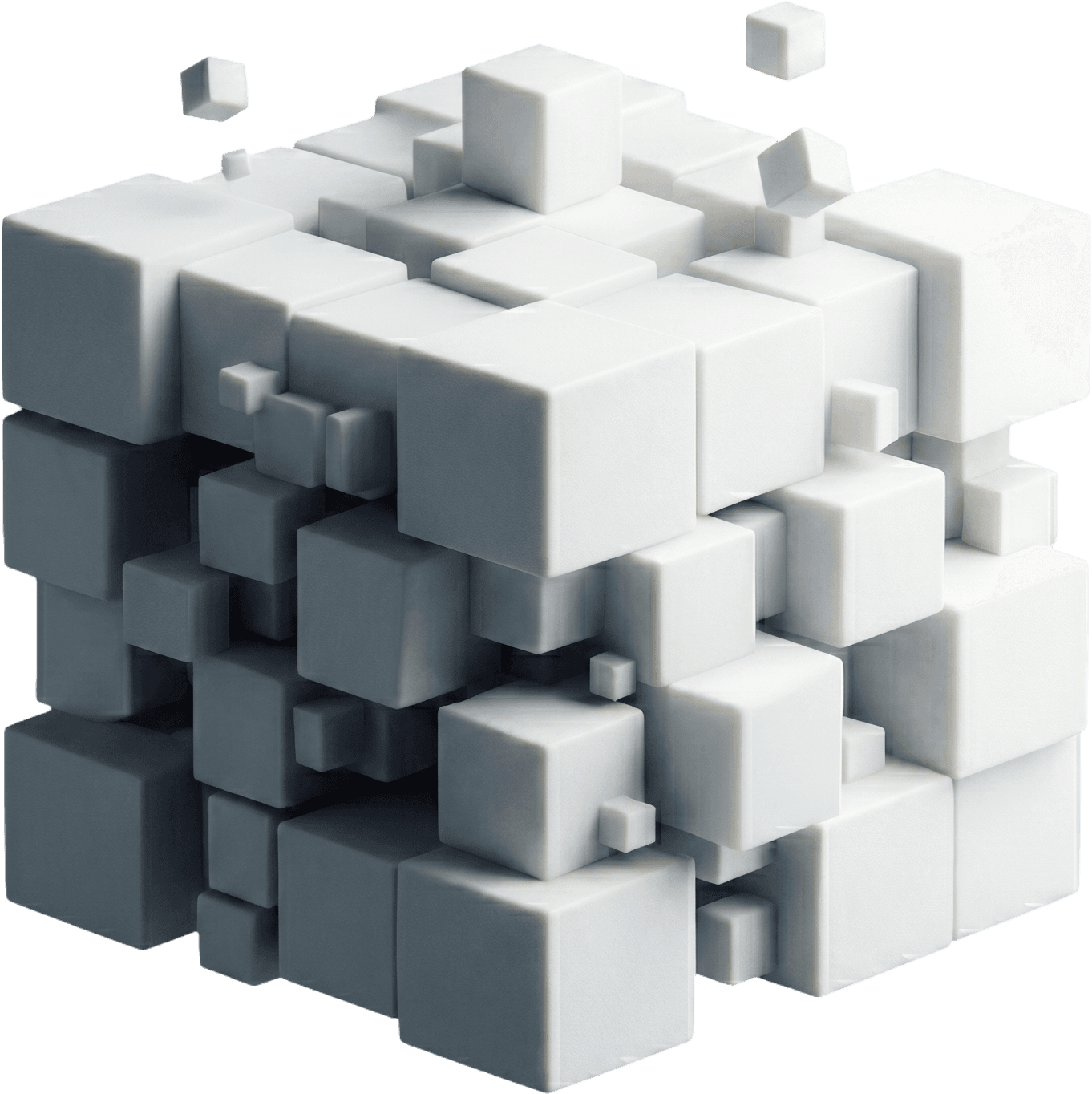
A production branch for prototypes, modular objects, and physical artifacts that translate digital identity into real space.
Rabbit Hole.
Development, AI-agents, apps, and code. A space for vibecoding and emerging technologies.
Explore AllModuform.
3D printing and modular design. Physical manifestation of digital ideas.
View Collection→Process.
We work in short cycles: gather context, shape direction, turn it into a usable system, and leave the team with something clear enough to operate.
Context
We unpack the product, audience, constraints, and strengths so the design does not start from random styling.
Direction
We quickly assemble visual and structural hypotheses, compare them, and choose the sharpest path forward.
System
We turn the chosen direction into rules, components, pages, marks, or physical modules that can be repeated.
Launch
We prepare the work for real use: responsive states, exports, development handoff, and next steps.
FAQ.
Short answers before the first message: format, pace, materials, and how to start without too much ceremony.
Where should we start?+
The easiest start is a short brief or email with context: what we are making, who it is for, deadlines, what already exists, and what outcome you need.
Can we start small?+
Yes. A short identity, UX, or web sprint is often the best first step. It reveals direction and makes it clear whether a larger system is worth building.
Do you only do design?+
The focus is design, structure, identity, interfaces, and creative tech. For web projects, we can move toward working frontend or prepare a clean handoff for development.
How long does a project take?+
A small sprint can take a few weeks. A brand system, website, or complex interface needs more time depending on scope, available materials, and decision speed.
What do you need for an estimate?+
A goal, project type, desired scope, timeline, existing materials, and a few examples of what feels right or definitely wrong.
Clients.




Start a project.
Send short context or build a brief. From there we can quickly define the format, first step, and a realistic working pace.
vadimreko@gmail.comProject goal
Links or references
Deadline or preferred pace
What already exists
Identity or logo work for a new brand, product, or campaign.
A site, interface, or web system that needs structure and launch polish.
AI, creative tech, or a physical prototype between design, code, and production.
A few sentences are enough: what we are making, who it is for, deadline, existing materials, and the outcome you want.